Effective Strategies to Keep Spiders Out of Your Home
- Written by iPress
Spiders, while beneficial in controlling other pests, are not exactly welcome house guests. For many, encountering a spider inside the home can be an unsettling experience. Whether you're dealing with common house spiders or more dangerous varieties like the Redback or Funnel-web, keeping your home spider-free is a priority for many Australians.
Although spiders are relatively shy and tend to avoid human interaction, their presence in homes can be unsettling. Understanding how to manage these eight-legged invaders without harming them, and protecting your space, is a great way to keep things balanced. Here’s a guide on effective spider pest control strategies to help you create a spider-free environment.
Why Are Spiders in Your Home?
Before diving into prevention methods, it’s important to understand why spiders come indoors in the first place. Spiders, like many creatures, are drawn to homes for shelter, warmth, and food. Unlike ants or cockroaches, spiders don’t invade homes in search of food crumbs. Instead, they’re after other insects. Spiders build their webs in places where they can capture flying insects, such as mosquitoes and flies. So, if you notice spiders, you might also have other insect problems.
Spiders are particularly attracted to dark, undisturbed areas like basements, attics, or corners of rooms, where they can build webs undisturbed.
Natural Remedies to Keep Spiders at Bay
If you prefer natural solutions to dealing with spiders, there are several methods you can try. While these strategies might not eliminate spiders, they can significantly reduce their presence.
- Essential Oils
- Spiders have a strong aversion to certain scents, making essential oils a perfect natural repellent. Peppermint oil is particularly effective in keeping spiders away. Mix a few drops of peppermint oil with water in a spray bottle and mist areas where spiders tend to hang out, such as windowsills, doorways, and corners.
- Citrus Peels
Spiders also dislike the smell of citrus. Use lemon or orange peels to rub around entry points like windows and doors. You can even place peels in areas where spiders tend to hide, such as under furniture.
- Vinegar
Vinegar is another effective deterrent for spiders. A mix of white vinegar and water can be used to wipe down surfaces or spray in problem areas. The smell of vinegar disrupts their scent trails and keeps them away.
- Declutter Your Space
Cluttered spaces provide ideal hiding spots for spiders. By regularly cleaning and decluttering your home, especially areas like basements and garages, you can reduce the number of places for spiders to hide and build webs.
Preventative Measures for Spider Control
Taking proactive steps to prevent spiders from entering your home is one of the most effective ways to manage infestations. Here are some tips to help keep spiders out:
- Seal Cracks and Gaps
Spiders can enter your home through even the smallest cracks or gaps. Inspect the exterior of your home for potential entry points, especially around windows, doors, and vents. Use caulk to seal cracks and weather stripping to close gaps around doors and windows.
- Regular House Cleaning
Regularly cleaning your home can significantly reduce the chances of spiders setting up shop. Vacuuming floors, corners, and baseboards can help eliminate any egg sacs or webs. Don’t forget to vacuum under furniture and along windowsills where spiders might hide.
- Outdoor Lighting
Spiders are attracted to insects, and insects are attracted to light. Reducing outdoor lighting can decrease the number of insects near your home, which in turn reduces the spiders that follow. You can also switch to yellow or sodium vapor lights, which are less attractive to insects.
- Manage Your Garden
Spiders love dense foliage, and having shrubs or plants right up against your house can invite them inside. Keep your garden tidy, and trim any vegetation that is close to your home's exterior. Mulch and leaves should also be cleared regularly to reduce the spider population in your yard.
- Install Screens
Adding screens to your windows and doors can be an effective way to keep spiders from entering your home. Make sure to check the screens regularly for holes or damage and repair them as needed.
When to Call the Professionals
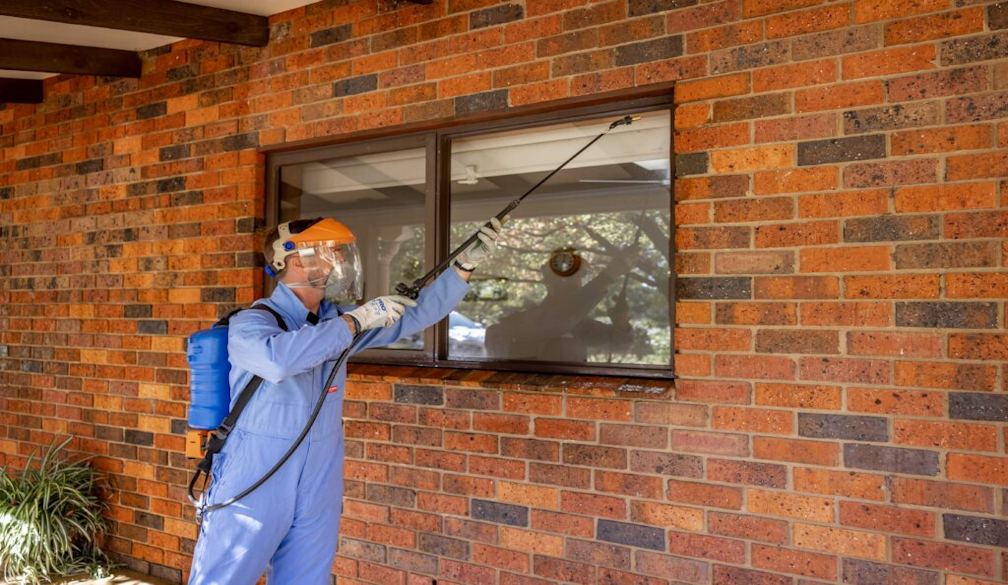
If natural remedies and preventive measures aren’t enough, it may be time to call in professionals for pest control. Professional pest control services can help you identify the types of spiders in your home, apply targeted treatments, and offer advice on long-term prevention.
The most common spiders found in Australian homes include Huntsman spiders, Redback spiders, and Funnel-web spiders. While many house spiders are harmless, some species can be venomous and pose a risk to children and pets. If you're unsure about the types of spiders in your home, professional assistance can provide peace of mind.